Introduction
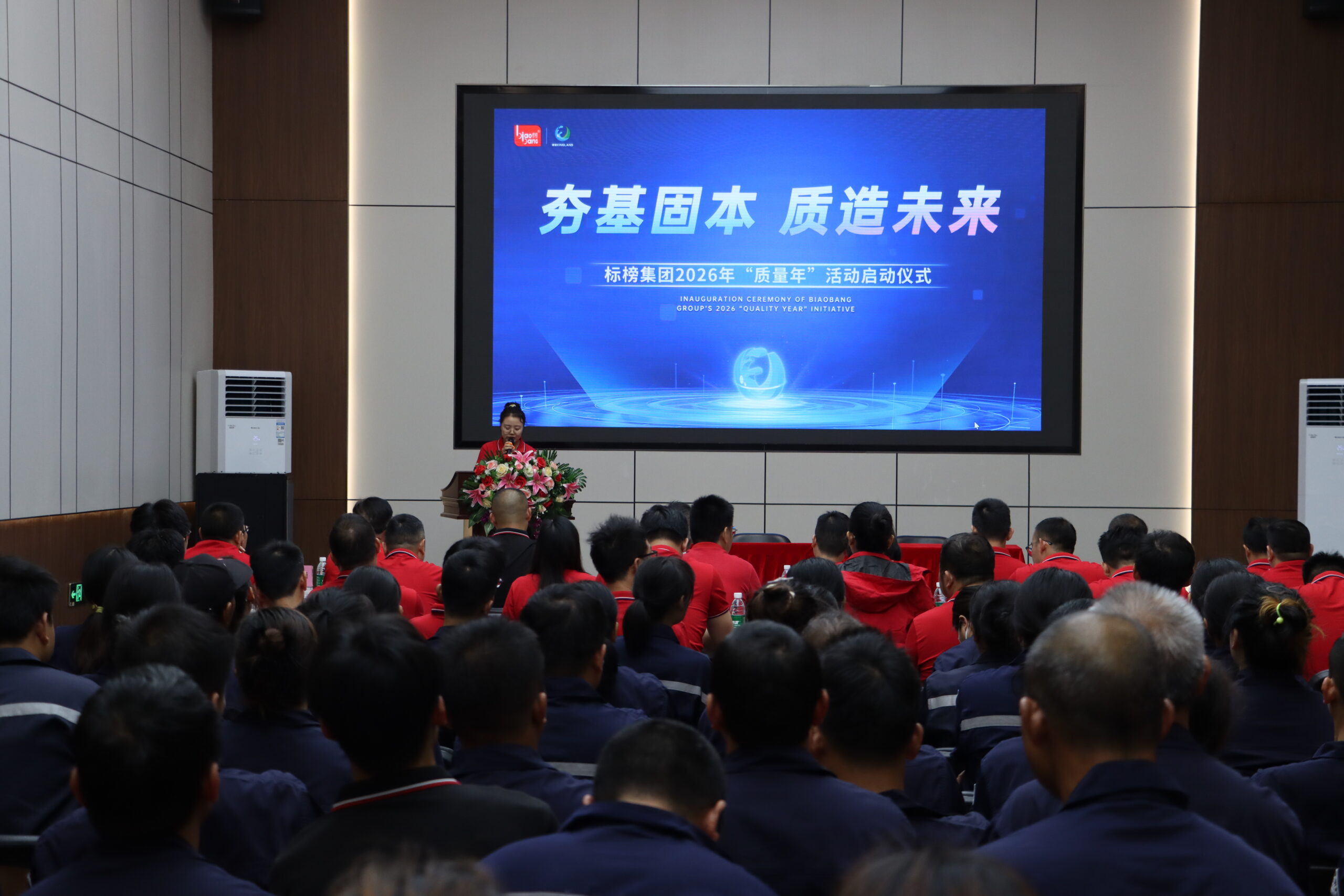
In May 2026, KingLand launched its annual “Quality Year” initiative, focusing on strengthening quality management across raw materials, production processes, finished-product inspection, employee training, and operational responsibility.Showed a qualified manufactor’s responsibility on aerosol manufacturing quality control.
For an aerosol contract manufacturer, quality cannot depend only on final inspection.
Reliable production requires control at every stage—from incoming materials and formulation preparation to filling, testing, warehousing, and final release.
KingLand designed the initiative to move quality management further toward prevention, process control, accountability, and continuous improvement.
From Final Inspection to Process Control
One of the key principles emphasized during the initiative was that product quality should be built into the manufacturing process rather than checked only after production is completed.
KingLand’s quality improvement plan focuses on three major control points:
- Incoming raw material inspection
- In-process production monitoring
- Finished-product inspection
Each stage plays a different role in reducing manufacturing risk.
Incoming inspection helps prevent unsuitable materials from entering production.
Process monitoring helps identify deviations during batching, filling, and other manufacturing operations.
Finished-product inspection provides another verification step before products are released.
This approach supports a more systematic quality-management process for OEM, ODM, and private-label manufacturing projects.
Strengthening Raw Material Control
Therefore, stable finished-product quality begins with stable raw materials.
As part of the 2026 initiative, KingLand reinforced supplier screening and raw material batch inspection procedures.
The objective is to identify potential quality issues before materials enter production.
Depending on the product and specification, the quality team may verify incoming materials against defined quality requirements before approving them for use.
For B2B customers, this first stage of control is particularly important because changes in raw materials can affect formulation consistency and finished-product performance.
Improving Production Process Monitoring
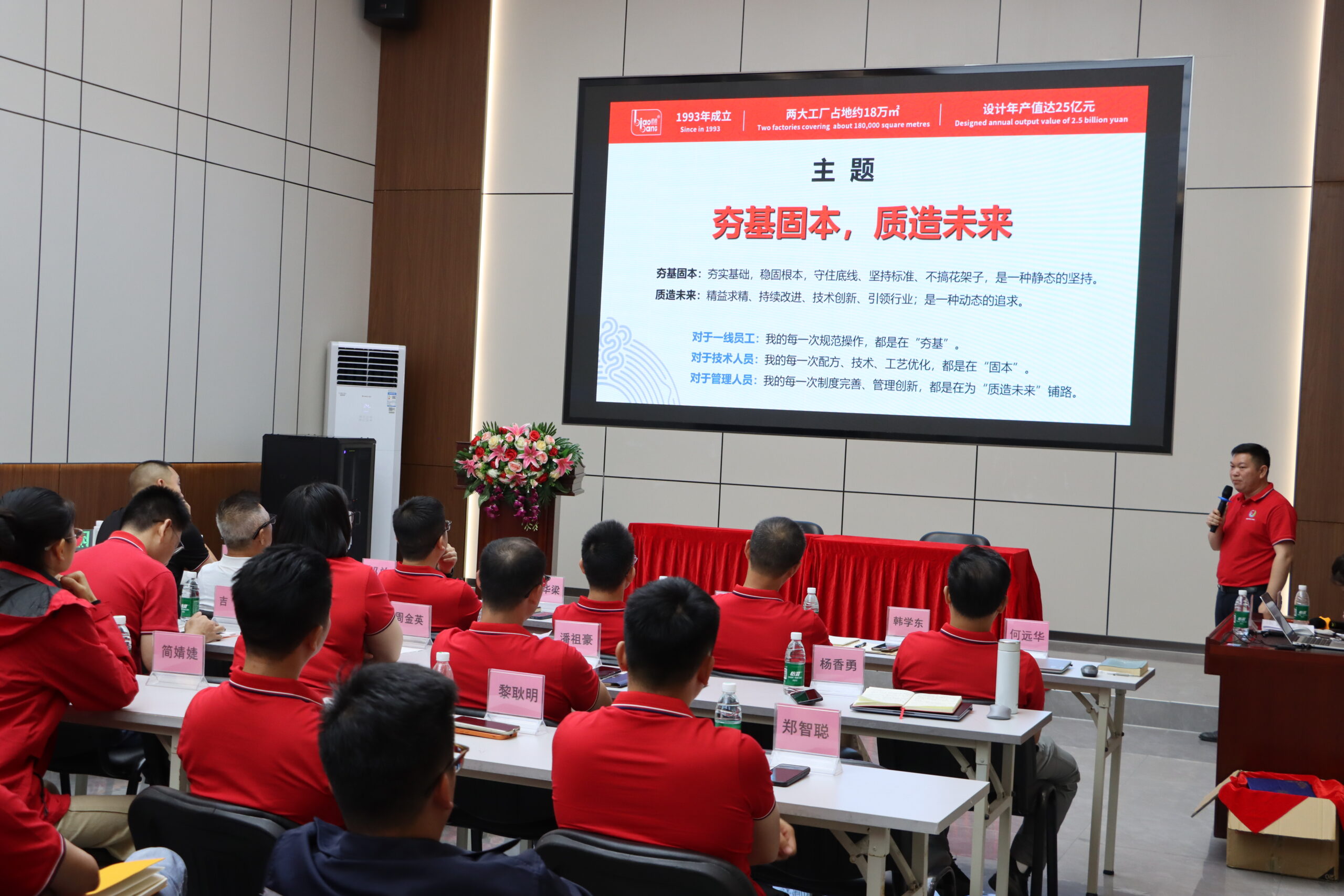
In addition, the initiative places greater emphasis on standardized operating procedures and routine process inspection.
Production teams follow defined operating requirements while management personnel monitor key manufacturing stages.
The goal is to identify potential problems during production rather than waiting until final inspection.
This includes stronger attention to:
- Operating standards
- Production process compliance
- Routine quality inspections
- Equipment condition
- Process deviations
- Corrective actions
For aerosol manufacturing, where formulation, filling parameters, packaging components, and production conditions must work together, consistent process control is essential.
Expanding Finished-Product Quality Checks
Finally, finished-product inspection remains an important part of the quality system.
KingLand’s Quality Year initiative includes continued improvement of finished-product testing procedures and inspection frequency.
The exact inspection requirements depend on the individual product, specification, and manufacturing project.
The objective is to ensure that the quality team checks products against approved requirements before they leave the factory.
KingLand’s broader quality-control system covers raw material inspection, semi-finished product inspection, in-process inspection, and finished-product inspection.
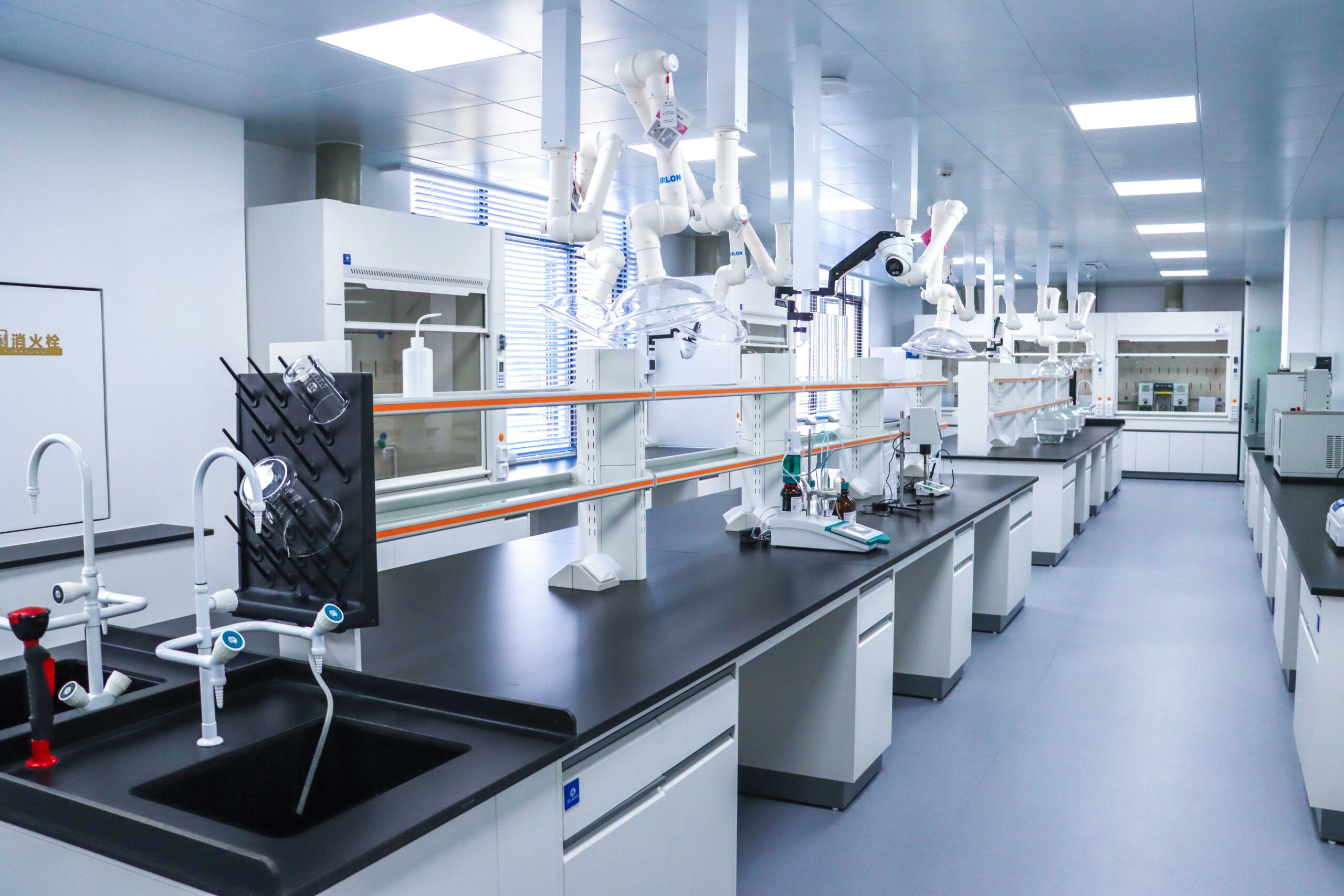
The factory also uses professional testing equipment including gas chromatographs, empty-can pressure testing equipment, automatic freezing-point testers, and moisture analysis equipment.
Building Quality Responsibility Across the Factory
Another major part of the initiative is employee participation.
Quality control is not treated as the responsibility of the QC department alone.
Production employees, workshop supervisors, quality personnel, and management teams all have defined responsibilities within the manufacturing process.
KingLand uses training and practical skills development to strengthen awareness of operating standards and quality requirements.
The objective is to build a factory-wide quality culture in which potential problems are identified earlier and manufacturing procedures are followed more consistently.
During the initiative, representatives from production, workshop management, quality management, and group leadership also participated in discussions on quality responsibilities and operational improvement.
Clear Quality Responsibilities and Accountability
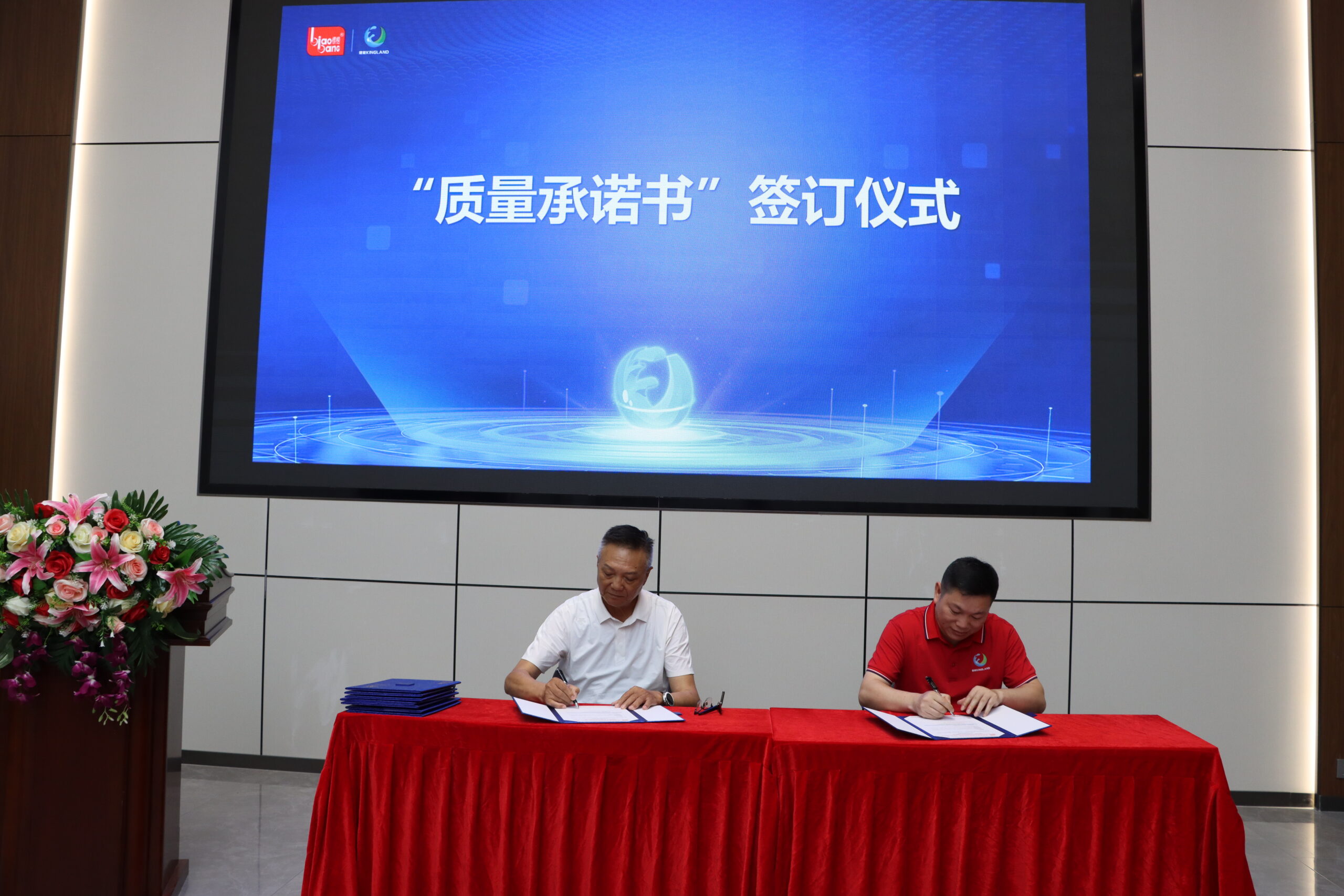
As part of the Quality Year launch, responsible personnel signed quality commitment documents defining quality objectives and responsibilities across production, inspection, and management functions.
This step was intended to make quality responsibilities more measurable and operational rather than remaining only as general management principles.
For a contract manufacturing operation, clear responsibility is particularly important because multiple departments may be involved in a single customer project—from formulation and production to QC, packaging, warehousing, and delivery.
What This Means for OEM and ODM Customers
For overseas brands, distributors, and private-label customers, a manufacturer’s quality system directly affects production consistency and long-term supply reliability.
KingLand’s 2026 Quality Year initiative focuses on strengthening the areas that matter most to contract manufacturing:
Raw material control
to improve consistency from the beginning of production.
Process monitoring
to reduce deviations during manufacturing.
Finished-product inspection
to verify products before release.
Employee training
to improve execution of production standards.
Quality accountability
to make responsibilities clearer across departments.
These efforts support KingLand’s broader goal of providing more stable and controlled manufacturing for automotive care, household chemical, industrial maintenance, and related products.
KingLand’s manufacturing system also uses DCS and ERP integration to support production control, order management, and traceability across the manufacturing process.
Continuous Improvement in Aerosol Manufacturing Quality
The 2026 Quality Year initiative is not intended to be a one-time internal event.
It represents an ongoing effort to strengthen production standards, quality awareness, inspection procedures, process management, and manufacturing capabilities.
For KingLand, quality improvement means moving beyond detecting problems after production and focusing more strongly on prevention, process control, traceability, and consistent execution.
These principles form an important foundation for reliable aerosol contract manufacturing and long-term OEM/ODM cooperation.
Looking for an aerosol manufacturing partner with structured quality-control processes?
Contact KingLand to discuss your product requirements, target market, packaging, formula, or private-label manufacturing project.