
Carburetor cleanliness plays an important role in maintaining stable fuel delivery and engine performance. Over time, fuel residues, varnish and other deposits may accumulate around carburetor components. These deposits can restrict small passages and affect normal operation.
Carburetor cleaner is commonly used during automotive and small-engine maintenance to help remove suitable deposits from accessible components. However, cleaning results depend on the condition of the carburetor, the product formulation and the cleaning procedure.
This application guide explores common maintenance scenarios and key product requirements. It also explains what distributors and private-label brands should consider when sourcing carburetor cleaning products.
Common Carburetor Cleaning Applications
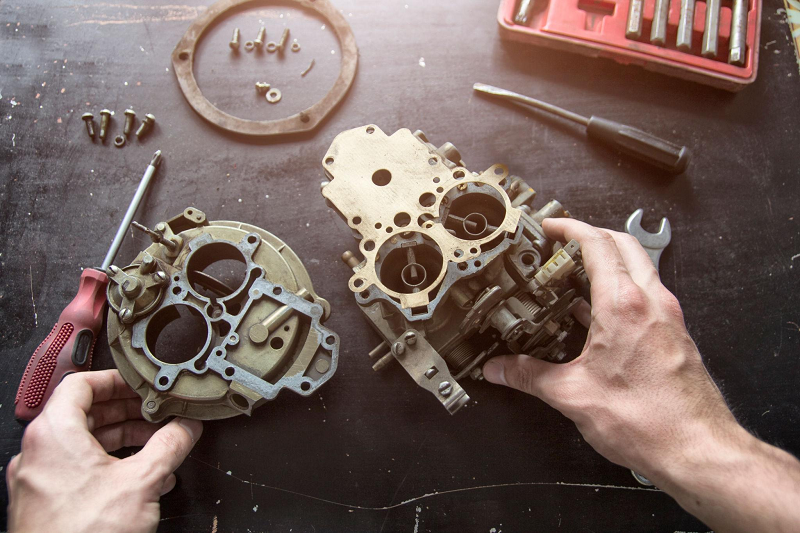
Carburetor cleaners are used in several maintenance situations. Typical applications include removing deposits from accessible throttle components, cleaning suitable metal surfaces and preparing parts for further inspection.
For example, technicians may use a compatible cleaner during carburetor servicing when fuel varnish or oily contamination is present.
Common applications include:
- Throttle area cleaning: Removing suitable deposits from accessible throttle plates and surrounding surfaces.
- Carburetor component maintenance: Cleaning approved metal components during servicing.
- Fuel residue removal: Helping dissolve varnish and other compatible deposits.
- Workshop maintenance: Supporting routine inspection, cleaning and component preparation.
Nevertheless, cleaning cannot correct every carburetor problem. Mechanical wear, incorrect adjustment, damaged seals or blocked internal passages may require additional servicing or component replacement.
What Makes a Suitable Carburetor Cleaner?
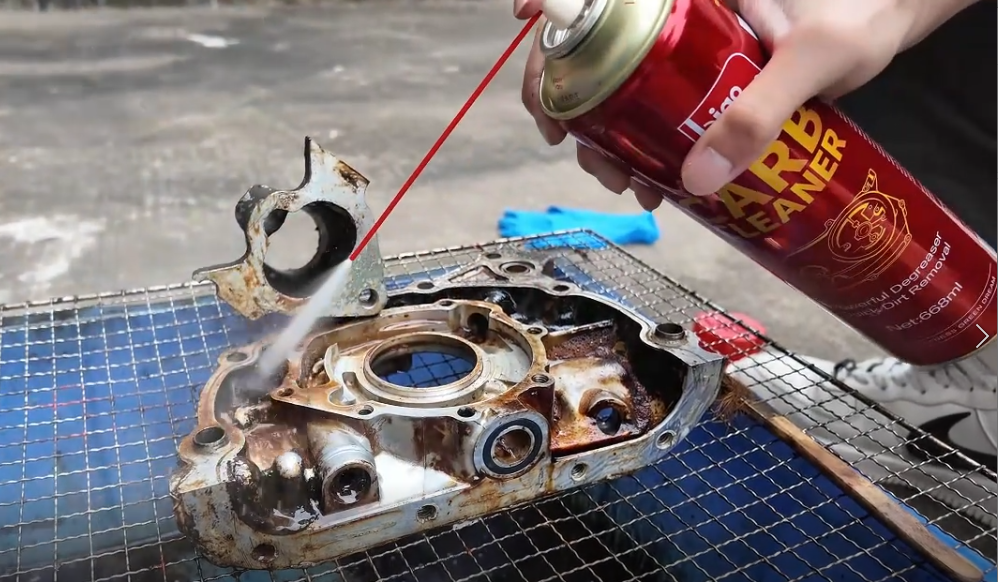
Product performance depends on several practical factors. For automotive maintenance applications, buyers should evaluate cleaning effectiveness, evaporation behavior, application control and material compatibility.
1. Effective Deposit Removal
A carburetor cleaner should help remove the types of contamination identified in its intended application.
For example, suitable solvent formulations may dissolve oily residues and fuel varnish. However, performance varies according to the formulation and the condition of the deposits.
2. Controlled Spray Application
Aerosol packaging allows users to direct cleaner toward accessible areas. An appropriate actuator and extension tube can improve application control.
In addition, controlled spraying helps technicians apply the product more precisely during maintenance.
3. Evaporation and Residue Characteristics
Evaporation behavior affects the cleaning process. Fast evaporation may be useful in certain workshop applications, but it can also reduce contact time.
Therefore, buyers should evaluate evaporation speed alongside cleaning performance and the product’s intended use.
4. Material Compatibility
Carburetors may contain metals, coatings, plastics, rubber seals and other sensitive materials.
Not every cleaner is suitable for every component. Some solvent formulations can damage coatings, seals or plastic parts.
Always follow the product instructions and confirm compatibility before use. Where necessary, remove sensitive components before cleaning.
Practical Considerations for Workshop Use
Before cleaning, technicians should identify the likely source of the problem. They should also follow the relevant equipment manufacturer’s service instructions.
For suitable aerosol products, the general process may include:
- Switch off the engine and allow hot components to cool.
- Work in a well-ventilated area away from ignition sources.
- Access the components according to the equipment manufacturer’s instructions.
- Apply the cleaner only to approved surfaces and components.
- Allow the cleaner to evaporate as directed before reassembly or operation.
Importantly, technicians should not assume that spraying cleaner into an assembled carburetor will resolve internal mechanical or fuel-system faults.
For heavily contaminated components, disassembly and additional cleaning may be necessary.
Product Requirements for Distributors and Private-Label Brands
For distributors, product selection involves more than cleaning performance.
Packaging specifications, target applications, product documentation and market requirements also influence purchasing decisions.
When evaluating a carburetor cleaner supplier, buyers should consider:
- Intended applications and cleaning performance
- Solvent formulation and material compatibility
- Aerosol can size, valve and actuator options
- Product labeling and safety instructions
- SDS availability and destination-market compliance requirements
- Packaging customization and order quantities
Moreover, different markets may require different packaging formats, languages or regulatory documentation.
A clear product specification helps manufacturers and buyers evaluate these requirements before mass production.
OEM & ODM Carburetor Cleaner Manufacturing with KingLand
Guangdong KingLand Chemical Technology Co., Ltd. provides manufacturing services for automotive care and maintenance chemical products.
For carburetor cleaner projects, KingLand can discuss formulation requirements, packaging options and product positioning according to the customer’s intended market.
OEM and ODM cooperation may involve product specification review, sample development, packaging customization and production planning. However, final options depend on technical feasibility, testing and applicable requirements.
For private-label brands, these discussions help establish product expectations before commercial production.
Explore Carburetor Cleaner Manufacturing Opportunities
Carburetor cleaners remain relevant to maintenance applications involving suitable carbureted engines and equipment.
For workshops, correct product selection and application are essential. For distributors and brands, product consistency, documentation and packaging suitability are equally important.
Looking for a carburetor cleaner manufacturing partner?
Contact KingLand to discuss your intended application, target market, packaging requirements and OEM/ODM project.